

What is the Precision of a Plastic Scale Ruler?
In the world of stationery, the plastic scale ruler is a ubiquitous tool found in schools, offices, and even at home. As a prominent supplier of Plastic Scale Ruler, I am often asked about the precision of these rulers. This blog post aims to shed light on the precision of plastic scale rulers, exploring the factors that affect it, and why it matters in various applications.
Understanding Precision
Precision refers to the degree of exactness or accuracy with which a measurement can be made using a particular tool. In the context of a plastic scale ruler, precision is determined by how closely the markings on the ruler represent the actual length they are supposed to measure. For example, if a ruler is marked as having a 1 - centimeter interval, the precision of the ruler will depend on how accurately that 1 - centimeter interval is represented on the ruler.
Factors Affecting the Precision of Plastic Scale Rulers
Manufacturing Process
The manufacturing process plays a crucial role in determining the precision of a plastic scale ruler. High - quality rulers are typically made using injection molding techniques. In injection molding, molten plastic is injected into a mold cavity with high precision. The quality of the mold itself is of utmost importance. A well - made mold with precise dimensions will produce rulers with accurate markings. However, if the mold has any imperfections, such as slight warping or inaccuracies in the groove for the markings, it can lead to imprecise rulers.
Material Properties
The type of plastic used in the ruler also affects its precision. Different plastics have different physical properties, such as thermal expansion and contraction. For example, some plastics may expand or contract with changes in temperature, which can cause the markings on the ruler to shift slightly. Polycarbonate is a popular choice for high - precision plastic rulers because it has relatively low thermal expansion compared to other plastics. It can maintain its shape and dimensions more accurately under different environmental conditions, ensuring that the ruler's precision remains consistent.
Marking Accuracy
The accuracy of the markings on the ruler is another significant factor. The markings should be evenly spaced and clearly defined. Errors in the marking process, such as misalignment or inconsistent width of the lines, can reduce the precision of the ruler. In modern manufacturing, laser engraving is often used to create markings on plastic rulers. Laser engraving offers high precision and can produce very fine and accurate markings, enhancing the overall precision of the ruler.
Measuring the Precision of Plastic Scale Rulers
To measure the precision of a plastic scale ruler, several methods can be used. One common method is to compare the ruler's markings with a known standard. For example, a calibrated steel ruler can be used as a reference. The intervals on the plastic ruler are then measured against the corresponding intervals on the steel ruler. Any discrepancies between the two can be used to quantify the precision of the plastic ruler.
Another method is to use a coordinate measuring machine (CMM). A CMM is a highly accurate measuring device that can precisely measure the dimensions of the ruler's markings. It can detect even the smallest deviations from the intended dimensions, providing a detailed analysis of the ruler's precision.
Precision Requirements in Different Applications
Educational Use
In educational settings, such as schools and universities, the precision requirements for plastic scale rulers are generally not extremely high. For basic geometry and art classes, a ruler with a precision of around ±0.5 mm is usually sufficient. Students are typically learning fundamental concepts, and a ruler with this level of precision can help them make reasonably accurate measurements for drawing, measuring lengths, and calculating areas.
Engineering and Design
In engineering and design fields, higher precision is often required. For example, in mechanical engineering, where components need to be manufactured with tight tolerances, a ruler with a precision of ±0.1 mm or even higher may be necessary. In architectural design, accurate measurements are crucial for creating detailed blueprints. Architects rely on precise rulers to ensure that the dimensions of buildings and structures are correctly represented on paper.
Crafts and Hobbies
For crafts and hobbies, the precision requirements can vary widely. In some crafts, such as paper - folding or simple woodworking, a ruler with a precision of ±1 mm may be adequate. However, in more intricate crafts like jewelry - making or model - building, a higher level of precision may be needed to ensure that the final product meets the desired standards.
Our Plastic Scale Rulers and Precision
As a supplier of Plastic Scale Ruler, we are committed to providing rulers with high precision. We use state - of - the - art injection molding technology and high - quality polycarbonate plastic to ensure that our rulers have consistent dimensions and accurate markings. Our manufacturing process includes strict quality control measures, where each ruler is carefully inspected for precision before it leaves the factory.
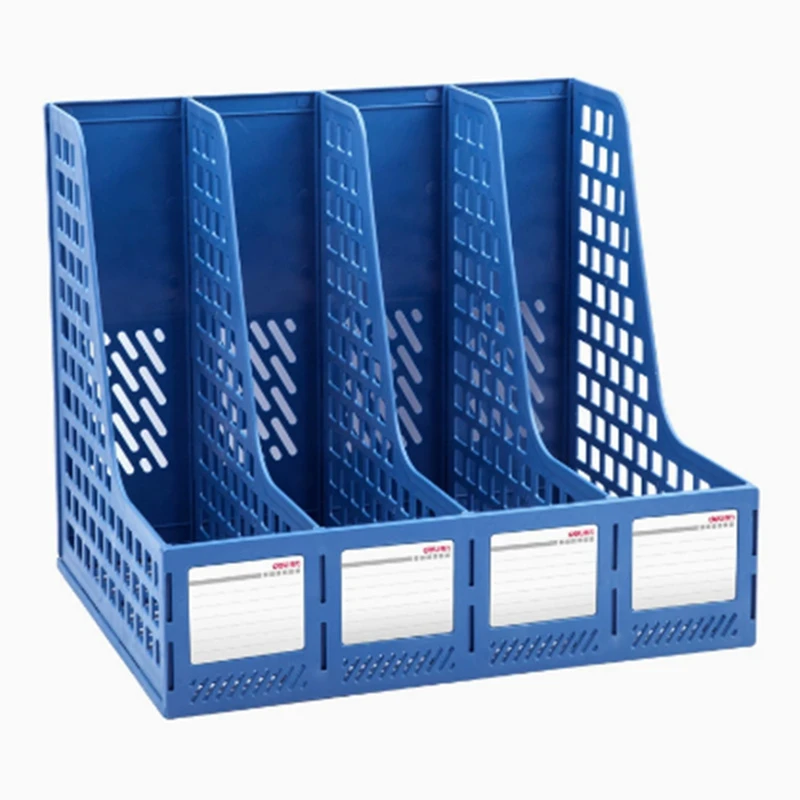
In addition to our plastic scale rulers, we also offer other high - quality plastic stationery products, such as Plastic Archive Boxes with Lids, Long Plastic Pencil Case, and Plastic Pen Barrel. All of our products are designed and manufactured with the same attention to detail and precision as our plastic scale rulers.

Why Precision Matters in Plastic Stationery Products
Precision is not only important for the functionality of a plastic scale ruler but also for the overall quality and reputation of our products. When customers purchase our rulers, they expect accurate measurements. If our rulers are imprecise, it can lead to errors in their work or projects, which can be frustrating and costly. By providing high - precision rulers, we ensure that our customers can rely on our products for accurate measurements.
Similarly, our other plastic stationery products, such as the Plastic Archive Boxes with Lids, Long Plastic Pencil Case, and Plastic Pen Barrel, all benefit from high precision in their manufacturing. Precise dimensions ensure that the archive boxes fit together properly, the pencil cases can hold the intended number of writing instruments, and the pen barrels are compatible with the pen refills.
Contact Us for Your Plastic Stationery Needs
If you are in the market for high - precision plastic scale rulers or other plastic stationery products, we invite you to contact us for a purchase negotiation. Our team of experts is ready to assist you in finding the right products that meet your specific requirements. Whether you are an educational institution, a business, or an individual consumer, we can provide you with the high - quality plastic stationery you need. Visit our website to learn more about our products and start the process of purchasing the perfect plastic stationery for your needs.
References
- "Measurement and Instrumentation Principles" by Alan S. Morris
- "Engineering Metrology" by R. K. Jain
- Industry standards and guidelines for plastic stationery manufacturing