

Food storage containers are not only convenient and practical but also allow for the organized, categorized storage of food. Plastic containers should not be used in microwaves or ovens, as high temperatures can cause the plastic to release substances harmful to human health. Additionally, tempered glass containers carry a risk of spontaneous shattering when exposed to extreme temperature fluctuations. These containers come in a variety of shapes and sizes to suit different needs: square containers fit well in refrigerator door compartments and are ideal for storing condiments and leftovers; rectangular containers often feature drainage trays, making them perfect for moist foods like fruits, vegetables, and seafood; and round containers are well-suited for sauces, pastes, and side dishes. Using a combination of these containers keeps the refrigerator organized and helps maintain food freshness for longer periods. In contrast, PVC food wrap poses significant health risks; the chemical DEHA (diethylhexyl adipate) within it can leach into food and is considered carcinogenic when ingested. Therefore, using a variety of storage containers is a safer alternative for preserving food. Refrigerator storage containers are highly beneficial for food preservation, as they allow for the segregation of food items, thereby preventing cross-contamination.
Introduction To Food Storage Containers
Jun 03, 2026
Leave a message
Looking for Premium, Eco-FriendlyPlastic Products?
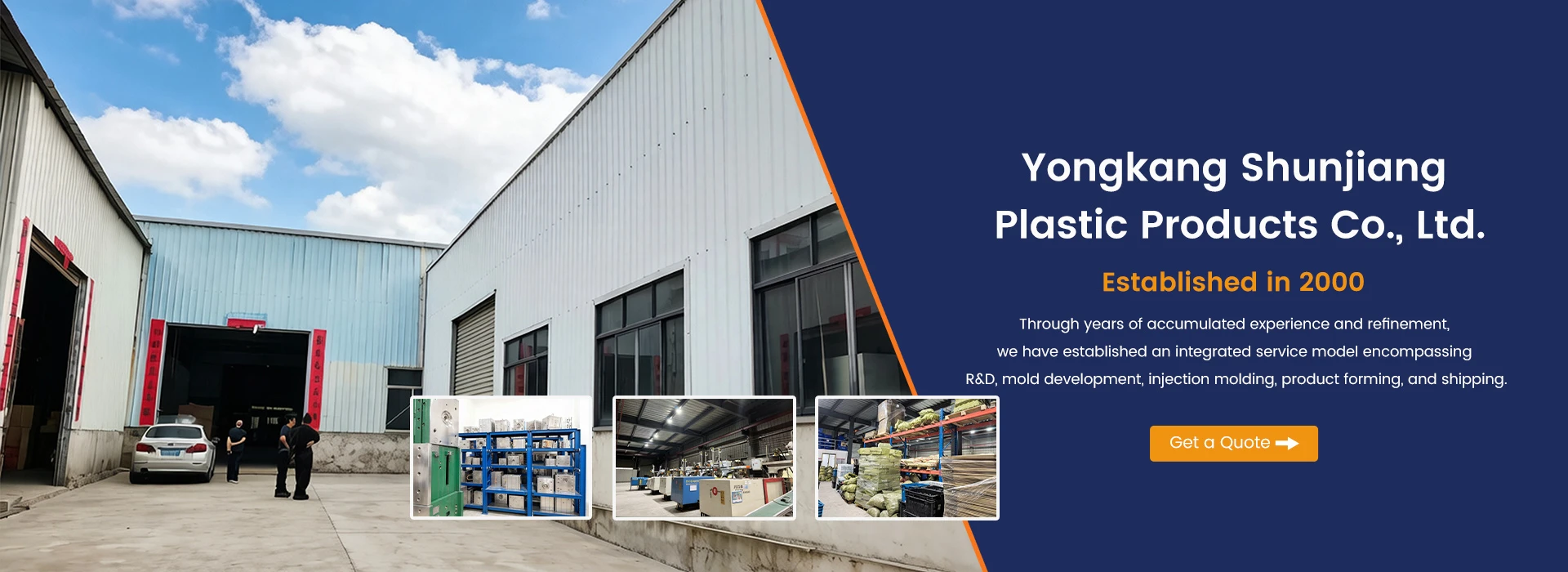
We have established an integrated service model encompassing R&D, mold development, injection molding, product forming, and shipping.
Contact us to customize your plastic product solutions.