

Do plastic chopstick holders have a chemical smell? This is a question that often comes up when people are considering purchasing plastic kitchenware, especially items like chopstick holders. As a supplier of Plastic Chopstick Holder, I've encountered this concern numerous times, and I'd like to delve into this topic to provide you with a comprehensive understanding.
Understanding the Source of Chemical Smells in Plastic Products
Plastic is a synthetic material made from polymers, which are large molecules composed of repeating subunits. During the manufacturing process, various chemicals are used, including plasticizers, stabilizers, and colorants. These additives can sometimes emit odors, especially when the plastic is new or exposed to high temperatures.
The chemical smell in plastic chopstick holders can stem from several factors. Firstly, the raw materials used in production may have inherent odors. For example, some types of plastic resins, such as polyvinyl chloride (PVC), are known to have a distinct smell. Secondly, the manufacturing process itself can introduce odors. If the plastic is not properly cured or if there are residual chemicals from the production line, it can result in a lingering smell. Additionally, improper storage or transportation conditions, such as exposure to heat or humidity, can exacerbate the odor problem.
Our Quality Control Measures
At our company, we are committed to providing high - quality plastic chopstick holders that are free from unpleasant chemical smells. We take several steps to ensure the safety and quality of our products.
- Raw Material Selection: We carefully select high - grade plastic resins that meet strict quality standards. We source our materials from reputable suppliers who adhere to international safety regulations. For example, we use food - grade polypropylene (PP), which is known for its low odor and high heat resistance. This type of plastic is widely used in food packaging and kitchenware due to its safety and durability.
- Manufacturing Process: Our manufacturing process is designed to minimize the use of chemicals and ensure proper curing of the plastic. We use advanced injection molding technology, which allows for precise control of the production process. This helps to reduce the formation of residual chemicals and ensures that the chopstick holders are well - formed and free from defects.
- Quality Testing: Before our products are shipped, they undergo rigorous quality testing. We use a combination of sensory evaluation and laboratory analysis to detect any potential chemical smells. Our quality control team checks each batch of chopstick holders for odor, appearance, and functionality. If any product fails to meet our standards, it is immediately rejected.
Comparing with Other Plastic Kitchen Items
When considering the chemical smell of plastic chopstick holders, it's also interesting to compare them with other plastic kitchen items. For example, Plastic Rice Washer, Plastic Food Waste Bin, and Basket for Washing Vegetables are all common plastic kitchenware.
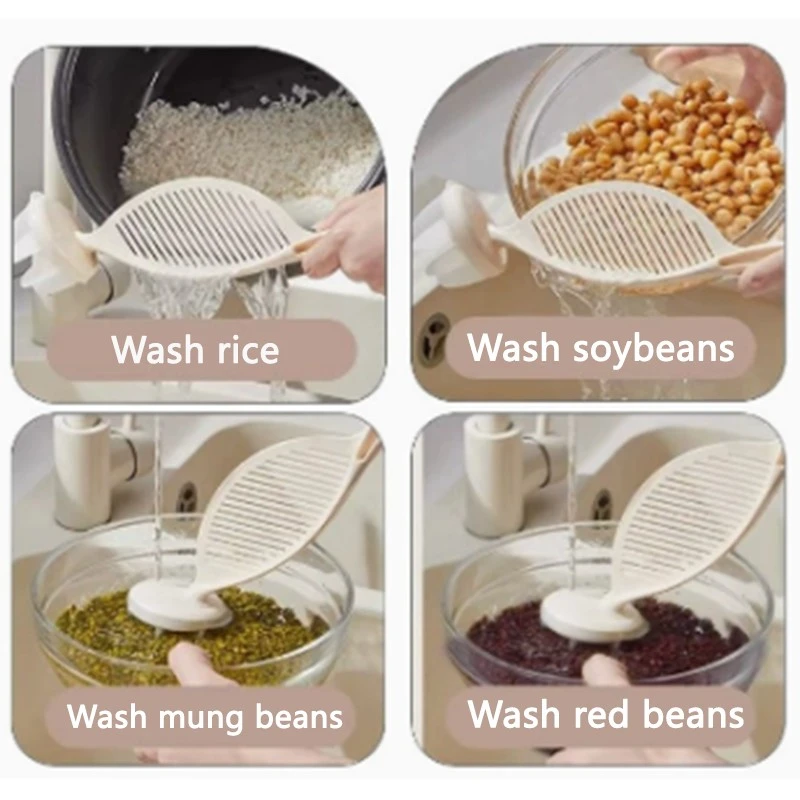
The smell of these items can vary depending on their design, usage, and the materials used. Plastic rice washers are often in contact with water and food, so it's crucial that they are odor - free. Our plastic rice washers are made from the same high - quality materials as our chopstick holders, ensuring that they are safe for food contact and have minimal odor.
Plastic food waste bins, on the other hand, may have a slightly different odor profile. Since they are used to store food waste, they need to be resistant to bacteria and odors. We use special additives in our plastic food waste bins to prevent the growth of bacteria and reduce unpleasant smells.
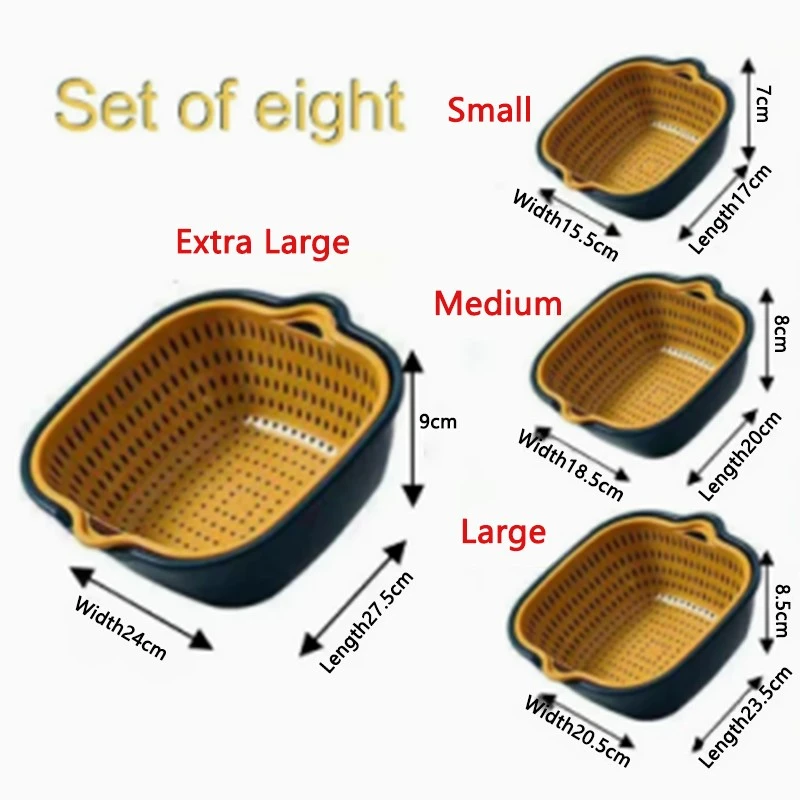
Baskets for washing vegetables are also an important part of the kitchen. They are designed to be durable and easy to clean. Our vegetable washing baskets are made from food - grade plastic, which is odor - free and safe for use with fresh produce.
Tips for Reducing Chemical Smells
Even with our strict quality control measures, some customers may still notice a slight smell when they first receive their plastic chopstick holders. Here are some tips to help reduce the smell:
- Wash Before Use: Before using the chopstick holder for the first time, wash it thoroughly with warm, soapy water. This can help to remove any residual chemicals or dust from the manufacturing process.
- Air Out: Place the chopstick holder in a well - ventilated area for a few hours or overnight. This allows the odors to dissipate naturally.
- Avoid High Temperatures: Do not expose the plastic chopstick holder to high temperatures, such as in the oven or microwave. High temperatures can cause the plastic to release more chemicals and intensify the smell.
Environmental Considerations
In addition to the chemical smell, environmental concerns are also important when it comes to plastic products. We are aware of the impact of plastic on the environment and are taking steps to reduce our carbon footprint.
Our plastic chopstick holders are made from recyclable materials, which means that they can be reused or recycled at the end of their life cycle. We also encourage our customers to recycle our products to minimize waste.
Conclusion
In conclusion, while some plastic chopstick holders may have a chemical smell, our products are designed to be odor - free and safe for use in the kitchen. Through strict quality control measures, careful raw material selection, and advanced manufacturing processes, we ensure that our plastic chopstick holders meet the highest standards of quality and safety.
If you are interested in purchasing our Plastic Chopstick Holder or other plastic kitchenware, such as Plastic Rice Washer, Plastic Food Waste Bin, and Basket for Washing Vegetables, please feel free to contact us for more information and to discuss your procurement needs. We look forward to working with you to provide high - quality plastic kitchenware solutions.
References
- "Plastic Materials and Their Properties" by John A. Brydson
- "Food - Grade Plastics: Safety and Applications" by the American Chemistry Council
- "Environmental Impact of Plastic Products" by the United Nations Environment Programme