

Alright, so you've probably wondered, "Do plastic battery enclosures affect battery performance?" Well, let's dive right into it. As a Plastic Battery Enclosure supplier, I've seen a lot and learned a great deal about how these enclosures interact with batteries.
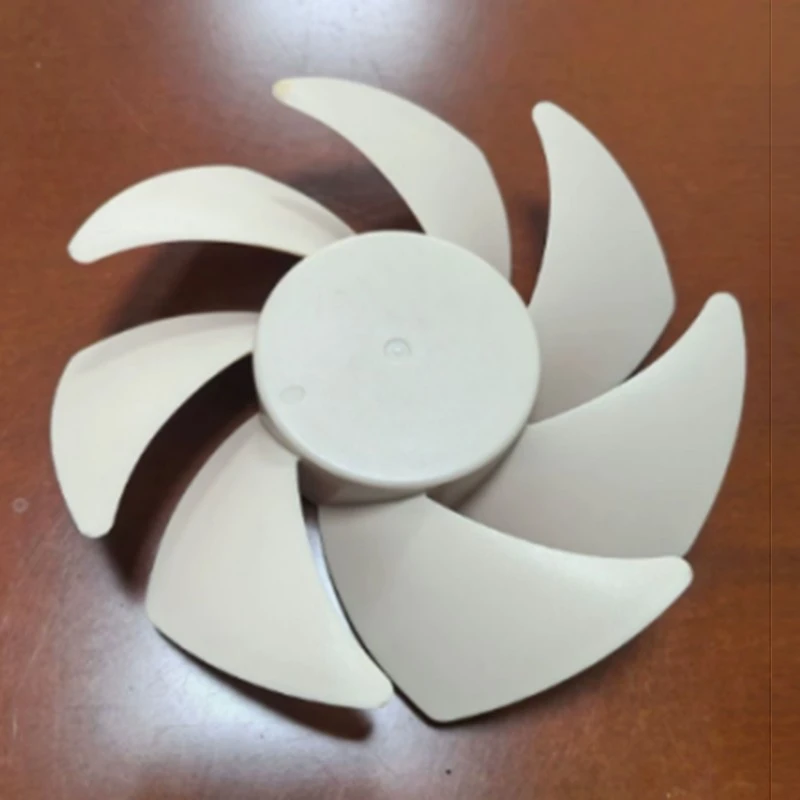
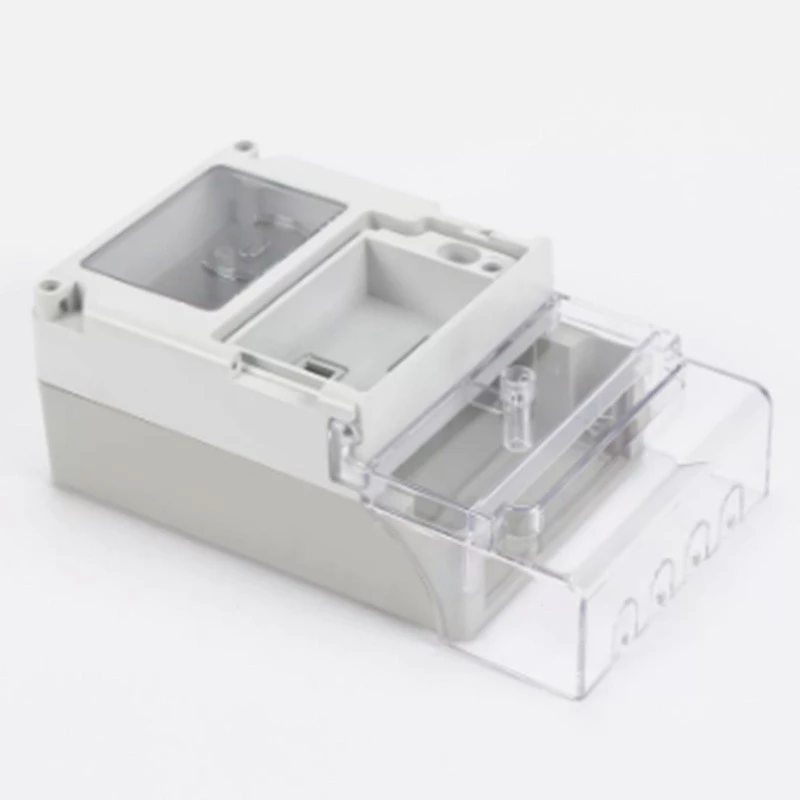
First off, let's talk about what plastic battery enclosures are. They're basically protective cases made of plastic that house batteries. You can find them in all sorts of devices, from small electronics to big power storage units. And if you're looking for different types of plastic enclosures, you can check out Plastic Electricity Meter Enclosures, Router Housing, Plastic Switch and Socket Panels, and Plastic Outdoor Fan Blades on our website in addition to Plastic Battery Enclosure.
Material and Thermal Properties
One of the key things that can affect battery performance is the material of the enclosure. Plastic is a popular choice because it's lightweight, cheap, and easy to mold into different shapes. But different plastics have different thermal properties.
Some plastics are good insulators. That means they can keep heat in. In some cases, this can be a good thing. For example, in cold environments, a plastic enclosure that traps heat can help the battery maintain an optimal temperature. Batteries usually work best within a certain temperature range. If it's too cold, the chemical reactions inside the battery slow down, and the battery can't deliver as much power. So, a heat - insulating plastic enclosure can prevent the battery from getting too cold and keep its performance up.
On the flip side, if the battery is generating a lot of heat during charging or discharging, and the plastic enclosure is a great insulator, it can cause the battery to overheat. Overheating is a big no - no for batteries. It can speed up the degradation of the battery's internal components, reduce its capacity over time, and even pose a safety risk, like the possibility of a fire or explosion in extreme cases.
Chemical Compatibility
Another factor is the chemical compatibility between the plastic and the battery. Batteries contain various chemicals, and some plastics can react with these chemicals. For example, certain plastics might break down when exposed to the electrolytes in a battery. This breakdown could release substances that contaminate the battery and affect its performance.
A well - chosen plastic enclosure should be chemically inert to the battery's contents. That way, there's no unwanted chemical reaction going on inside the enclosure. This ensures the long - term stability of the battery and maintains its performance over time.
Mechanical Protection
Plastic battery enclosures also provide mechanical protection. Batteries can be pretty fragile, especially the internal components. A good plastic enclosure can protect the battery from physical damage, like impacts, vibrations, and scratches.
If a battery gets physically damaged, it can lead to internal short - circuits or other problems that will definitely affect its performance. For instance, a small crack in the battery casing due to an impact can cause the electrolyte to leak out, which in turn will mess up the battery's normal operation. So, a sturdy plastic enclosure can prevent these issues from happening and keep the battery performing as it should.
Design and Ventilation
The design of the plastic battery enclosure is also crucial. A well - designed enclosure should have proper ventilation. Ventilation helps in dissipating heat. As I mentioned earlier, heat management is super important for battery performance.
If the enclosure is designed without proper ventilation, heat can build up inside. This can cause the battery to operate at a higher temperature than normal, reducing its efficiency and lifespan. On the other hand, a good ventilation design allows the hot air to escape and fresh air to come in, keeping the battery at a more stable temperature.
Impact on Charging and Discharging
The way a plastic battery enclosure affects charging and discharging is also worth considering. During charging, the battery generates heat. If the enclosure is not designed well, the heat can't be dissipated effectively, which can slow down the charging process. The battery management system might reduce the charging current to prevent overheating, which means it'll take longer to charge the battery.
During discharging, if the battery is working at a high temperature due to a poorly - designed enclosure, it might not be able to deliver power as efficiently. The battery's internal resistance can increase with temperature, and this means more energy is wasted as heat instead of being used to power the device.
Cost - Benefit Analysis
When it comes to choosing a plastic battery enclosure, there's also a cost - benefit analysis to consider. High - performance plastics that offer better thermal management and chemical resistance might be more expensive. But if they can significantly improve the battery's performance and lifespan, it could be worth the extra cost.
On the other hand, if you choose a very cheap plastic enclosure with poor properties, it might save you some money upfront, but you could end up replacing the battery more frequently due to decreased performance. So, it's all about finding the right balance.
In conclusion, plastic battery enclosures can have a significant impact on battery performance. From thermal management, chemical compatibility, mechanical protection, to design and cost, every aspect plays a role. As a Plastic Battery Enclosure supplier, we're constantly working on improving our products to ensure the best possible performance for your batteries.
If you're in the market for high - quality plastic battery enclosures or have any questions about how our enclosures can work for your specific battery needs, don't hesitate to reach out. We're here to help you make the best choice and get the most out of your batteries.
References
- Literature on battery thermodynamics and the impact of temperature on battery performance.
- Studies on the chemical reactions between plastics and battery electrolytes.
- Research on the mechanical design and ventilation requirements for battery enclosures.