

As a supplier of Plastic Teeter Totters, I often encounter questions from customers about the repair of these popular playground items. The query "Can I repair a broken plastic teeter totter?" is a common one, and in this blog post, I'll delve into the various aspects of this issue, providing you with a comprehensive guide.
Understanding the Structure of Plastic Teeter Totters
Before we discuss the repair process, it's essential to understand what a plastic teeter totter is made of. Plastic teeter totters are typically constructed from high - density polyethylene (HDPE) or polypropylene. These plastics are chosen for their durability, resistance to weather, and ability to withstand the wear and tear of regular use. The Building Blocks Of Plastic provide the basis for creating these sturdy toys.
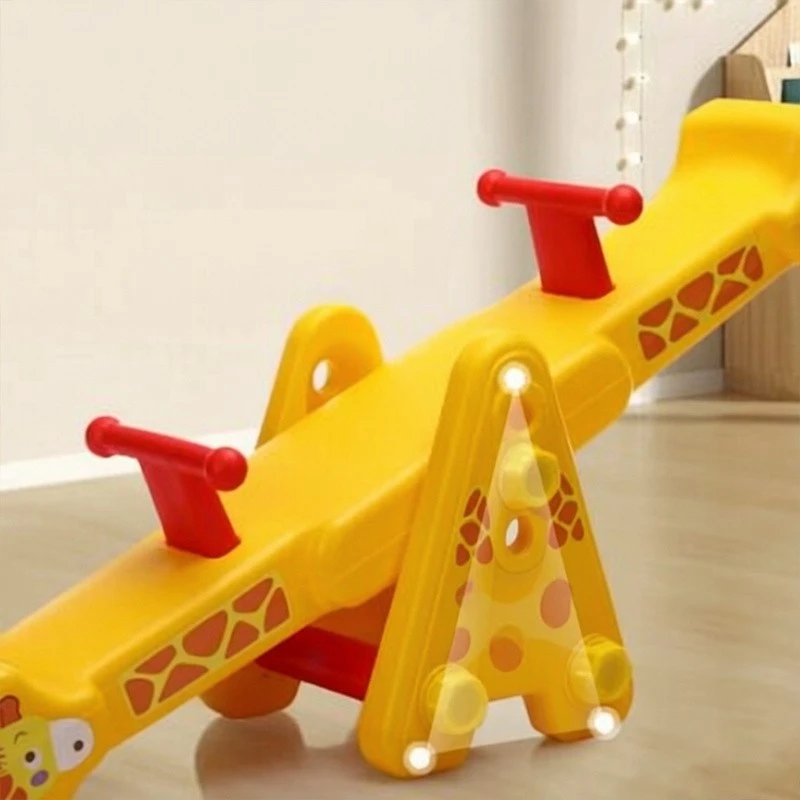
The main components of a plastic teeter totter include the seat, the central pivot point, and the support structure. The seat is where the children sit, and it needs to be strong enough to hold their weight. The pivot point allows the teeter totter to move up and down smoothly. The support structure keeps the teeter totter stable on the ground.
Common Types of Damage
There are several types of damage that a plastic teeter totter might sustain over time. One of the most common issues is cracks in the seat. These cracks can occur due to excessive weight, impact, or long - term exposure to sunlight. Another problem is damage to the pivot point. If the pivot becomes loose or broken, the teeter totter will not move properly. Additionally, the support structure can get bent or damaged, affecting the stability of the entire toy.
Assessing the Damage
The first step in determining whether you can repair a broken plastic teeter totter is to assess the damage. A small crack in the seat might be repairable, while a large, jagged break might make the repair more challenging. If the crack is less than a few inches long and not too deep, there's a good chance you can fix it. However, if the crack is extensive or the plastic is shattered, it might be more cost - effective to replace the teeter totter.
For damage to the pivot point, check if it's just loose or if the parts are actually broken. A loose pivot can often be tightened with the right tools, but a broken pivot might require replacement parts. When it comes to the support structure, minor bends can sometimes be straightened, but significant damage might mean the end of the teeter totter's usability.
Repairing Minor Cracks
If you've determined that the crack in your plastic teeter totter is minor, there are several methods you can use to repair it. One option is to use a plastic welding kit. Plastic welding involves melting the plastic around the crack and fusing it together. This method creates a strong bond, but it requires some skill and the right equipment.
Another option is to use a plastic adhesive. There are many types of plastic adhesives available on the market. Before applying the adhesive, make sure the area around the crack is clean and dry. Roughen the surface slightly with sandpaper to help the adhesive stick better. Apply the adhesive according to the manufacturer's instructions and hold the crack together until the adhesive dries.
Dealing with Pivot Point Issues
If the pivot point of your plastic teeter totter is loose, you can usually tighten it by using a wrench or a screwdriver. First, check if there are any nuts or bolts that are coming loose. Tighten them carefully, but be careful not to overtighten, as this can cause damage to the plastic.
If the pivot point is broken, you'll need to replace it. Many suppliers, including us, offer replacement parts for their products. You can order the appropriate pivot point and follow the installation instructions provided. Make sure to test the teeter totter after installing the new pivot to ensure it moves smoothly.
Repairing the Support Structure
As mentioned earlier, minor bends in the support structure can sometimes be straightened. If the support is made of a bendable plastic material, you can try to heat it slightly using a heat gun. The heat will make the plastic more pliable, allowing you to reshape it. However, be very careful not to overheat the plastic, as this can cause it to melt or warp.
For more severe damage to the support structure, such as a break, replacement might be the best option. You can order a new support structure from a reliable supplier and install it following the provided instructions.
When to Replace Instead of Repair
There are situations where repair is not a practical option. If the plastic teeter totter has suffered multiple serious damages, such as a large crack in the seat and a broken pivot point, it might be more cost - effective and safer to replace the entire unit. Also, if the teeter totter is old and the plastic has become brittle due to long - term exposure to the elements, replacement is often the better choice.
Importance of Safety in Repair
Whether you choose to repair or replace your plastic teeter totter, safety should always be your top priority. If you're repairing the teeter totter yourself, make sure you follow all safety precautions. When using tools like a heat gun or a plastic welding kit, wear appropriate protective gear, such as gloves and goggles.
After completing the repair, thoroughly inspect the teeter totter to ensure it's safe for use. Check that all parts are properly secured, there are no sharp edges, and the teeter totter moves smoothly.
Our Experience as a Supplier
As a leading supplier of Plastic Teeter Totters, we've seen a wide range of issues with these products. We're committed to providing high - quality toys, but we also understand that damage can occur over time. That's why we offer a comprehensive range of replacement parts, including pivot points, seat sections, and support structures.
In addition to Plastic Teeter Totters, we also supply other plastic toy parts such as Plastic Toy Pistol, Little Plastic Puzzle Pieces, and Plastic Slippery Slide. Our team of experts is always available to answer your questions and provide guidance on repair and maintenance.
Contact Us for Your Plastic Toy Needs
If you're in the process of assessing the damage to your plastic teeter totter or are considering purchasing new plastic toys or replacement parts, we're here to help. Our extensive experience in the industry allows us to provide you with the best products and advice. Whether you're a retailer, a playground operator, or an individual looking for a high - quality plastic teeter totter, we can meet your needs.
Don't hesitate to reach out to discuss your requirements and explore the possibilities of working with us. We look forward to the opportunity to serve you and contribute to the success of your plastic toy projects.
References
- Plastic Materials and Their Properties. A textbook on the characteristics and applications of different plastics.
- Toy Safety Standards. Guidelines and regulations for ensuring the safety of plastic toys.